How Much Rain Can ATX Lawn Turf Drain?
“….ATXTurf is generally capable of handling rainfall far beyond what nature can produce.”
Published June 1, 2026
This article explains all you need to know about Artificial Turf Drainage Rates and where ATXTurf Lawn Turf Stands.
Let’s Get Into It:
Table of Contents:
- How much rain do you get, or COULD you get where you live?
- Converting Drainage Rates to Gallons Per Hour
- Example: 1,000 Square Foott Lawn Turf
- Example: Typical 14’ x 70’ Batting Cage
- Example: Typical 2,000 sq ft Backyard Turf Area
- How Many Gallons Per Hour Does ATXTurf Drain?
- Correct Sub Base Required for Proper Drainage
- Recent ATXTurf Lawn Installation in Pictures
1. How Much Rain Do You Actually Get?
And does your turf drain enough to accommodate it?
You probably don’t know this, so the ATXTurf team did the research for you. Here it is:
Table 1:
| Rainfall Rate | Rain Category |
| 0.10–0.30 | Light rain |
| 0.30–0.50 inches/hour | Moderate rain |
| 0.50–1.00 inches/hour | Heavy rain |
| 1–2 inches/hour | Very heavy thunderstorm |
| 2–4 inches/hour | Severe thunderstorm |
| 4–6 inches/hour | Extreme rainfall event |
| 6+ inches/hour | Rare, flash-flood-producing storm |
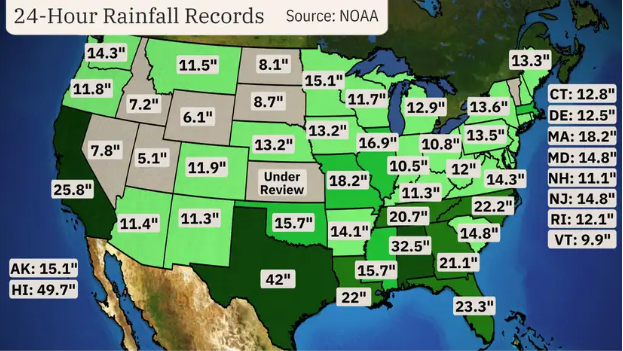
2024 Weather.com. The Heaviest 24-Hour Rainfall Records For All 50 States
What are the worst case scenarios?
The corresponding weather map shows the heaviest rainfalls by state recorded as of 2024.
Its unlikely that you will see these record-breaking rainfall totals in the near future.
Let’s say for example, most places get a couple of “Severe Thunderstorms” per year. Thats roughly 4 inches per hour at most.
Drainage rates are measured in Gallons Per Hour, so let’s convert the inches of rain per hour per square foot to Gallons Per Hour.
2. Converting Drainage Rates to Gallons Per Hour
One inch of rain falling on 1 square foot of turf equals approximately 0.623 gallons of water.
If turf drains at 30 inches per hour:
30 × 0.623 = 18.69 gallons per square foot per hour
That means every square foot of turf can theoretically drain nearly 19 gallons of water per hour.
Example: 1,000 Square Feet
For a 1,000-square-foot turf area:
18.69 GPH × 1,000 sq ft = 18,690 gallons per hour
Example: Typical 14’ x 70’ Batting Cage Turf Area
A batting cage turf measuring 14 feet by 70 feet contains:
980 square feet
At 30 inches per hour drainage:
18.69 GPH x 980 sq ft = 18,316 gallons per hour
Example: Backyard Lawn Turf Area
A backyard turf installation measuring 2,000 square feet could drain:
18.69 GPH x 2,000 sq ft = 37,380 gallons per hour
3. How Fast Does ATXTurf Drain?
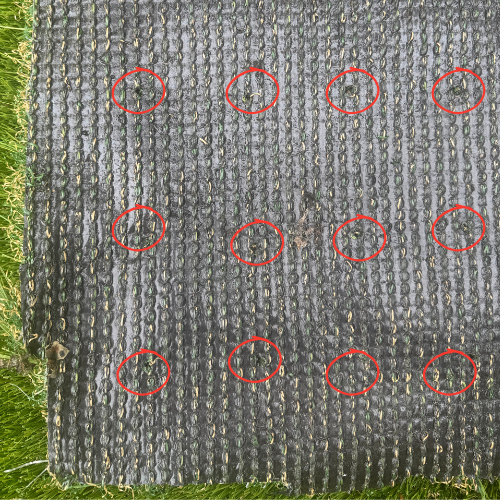 Drainage rates vary by manufacturer, but ATXTurf products are designed to drain at rates of approximately 30–50 inches of rainfall per hour, which equates to roughly 18–31 gallons of water per square foot per hour.
To understand how impressive this is, we know from Table 1 above that severe thunderstorms rarely produce rainfall rates above 4 to 6 inches per hour. And in most cases, the drain rate could even handle the record rainfalls in most areas.
In other words, ATXTurf is generally capable of handling rainfall far beyond what nature can produce.
4. Correct Sub Base for Proper Drainage
How fast the turf drains, however, depends entirely on how well the sub base is constructed. Even the best turf product cannot overcome a poorly constructed base.
Drainage performance depends on:
- Proper site grading
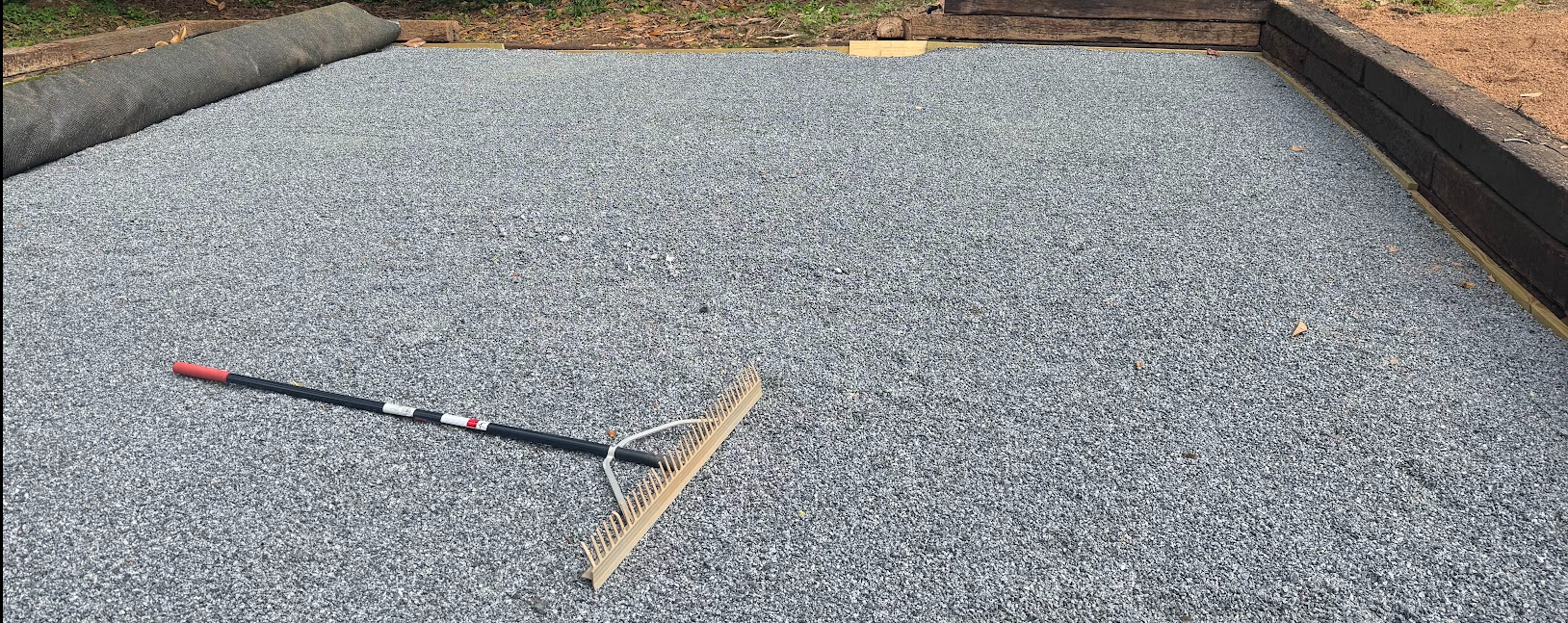
- Correct stone selection
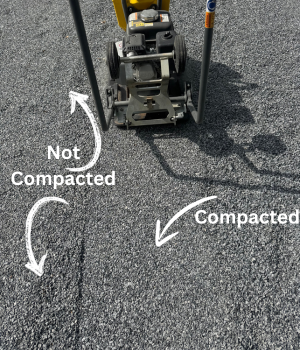
- Proper compaction
- Adequate base depth
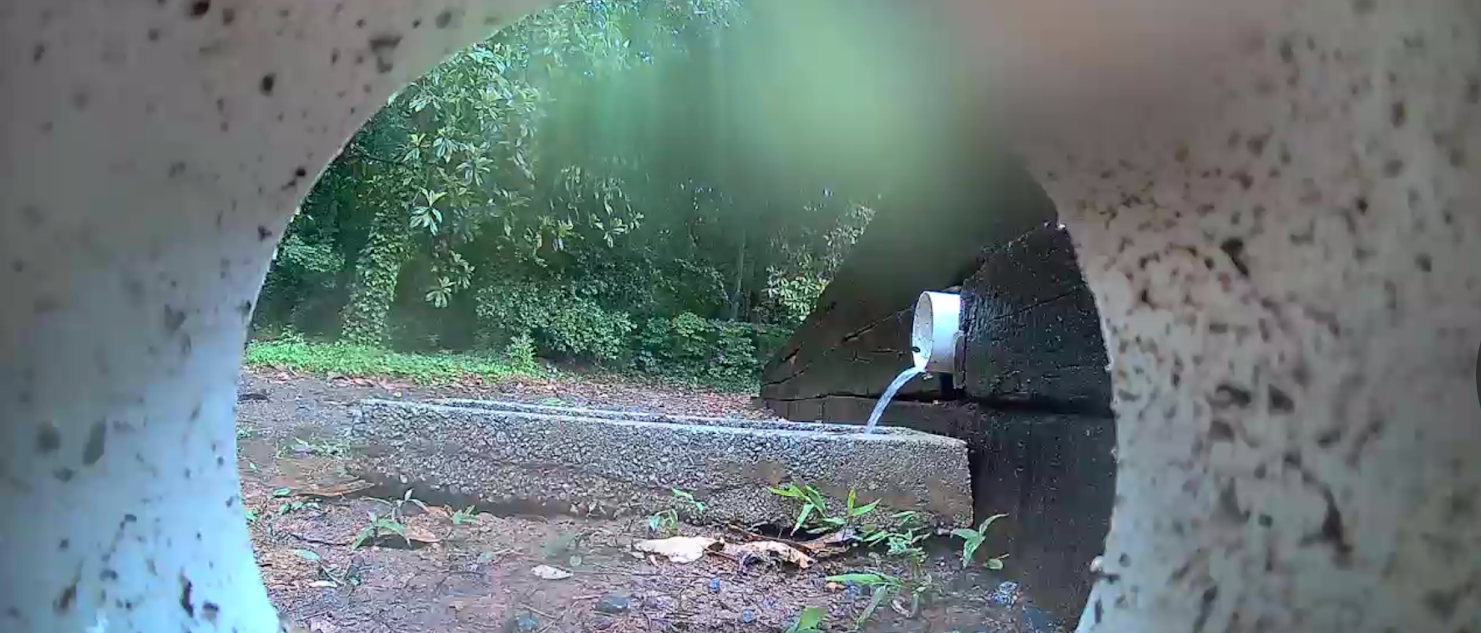
- Functional drainage outlets
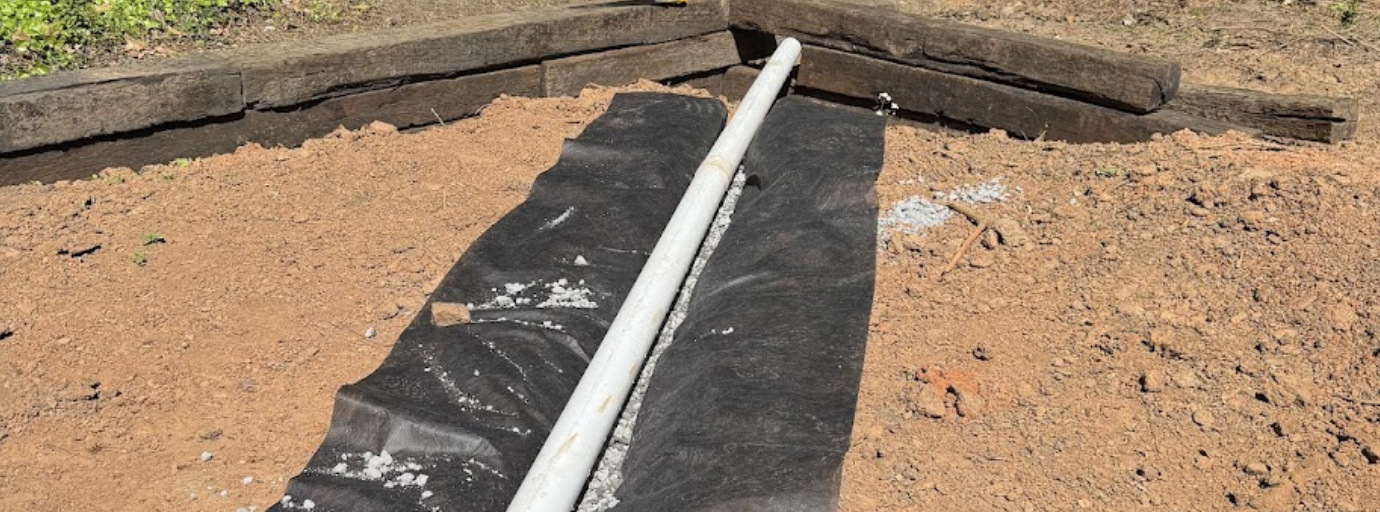
- Proper French drain placement
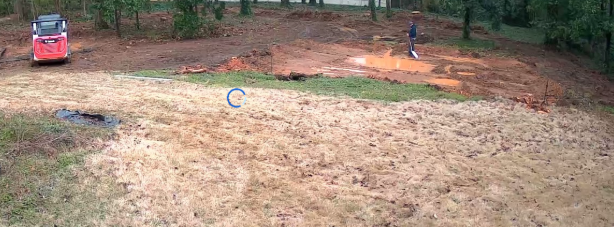
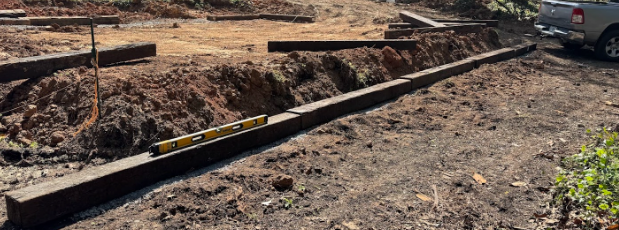
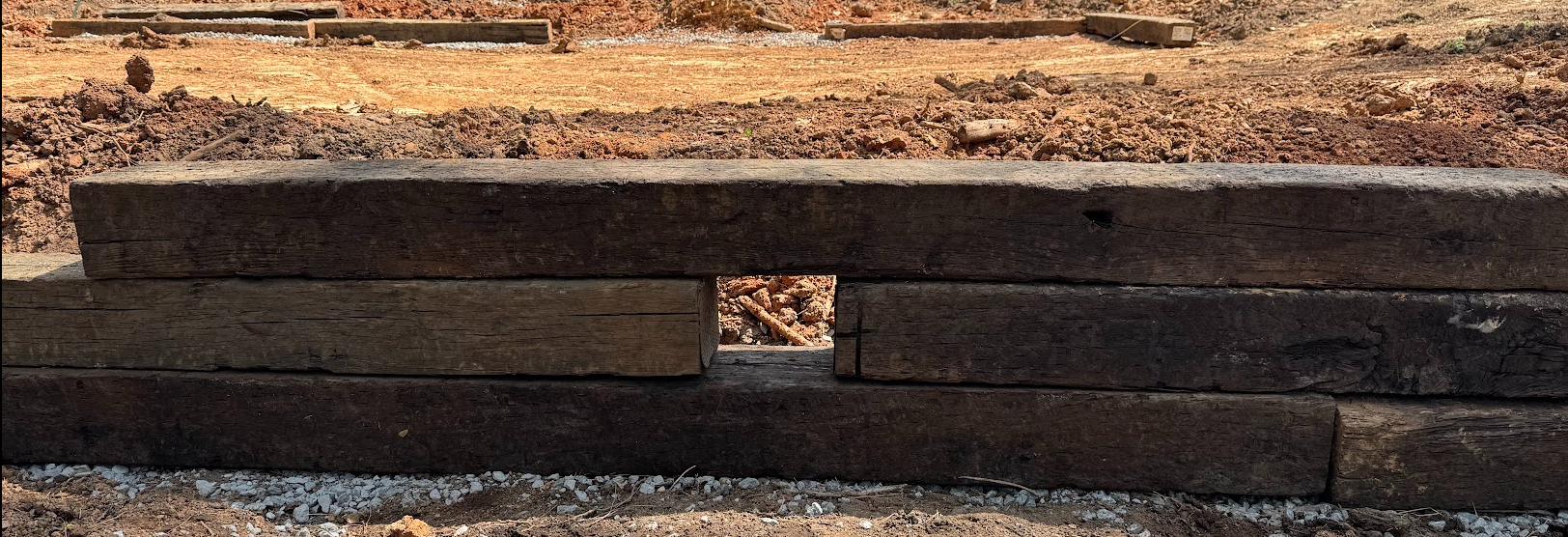
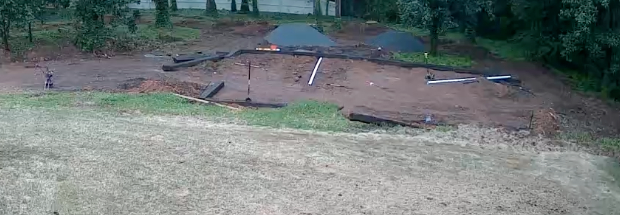
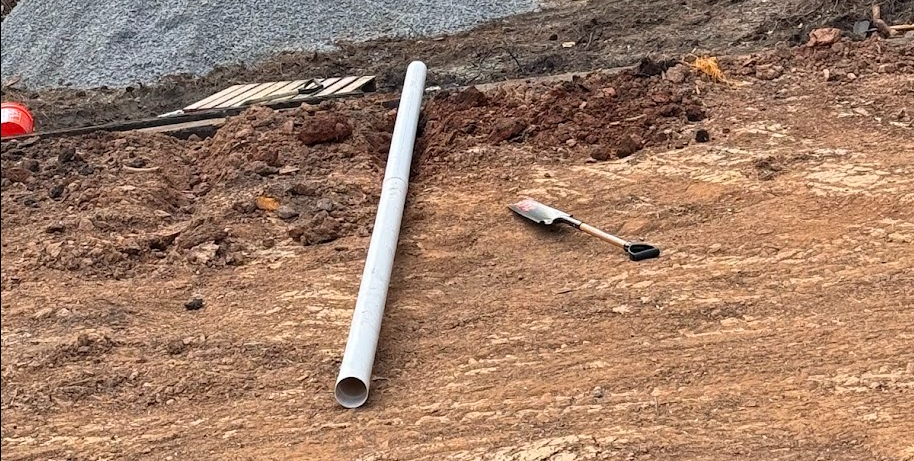
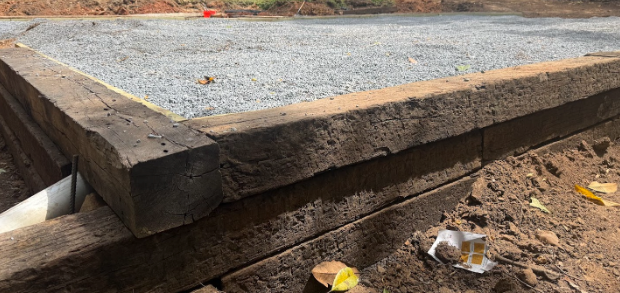
See corresponding images below from recent ATXTurf Installation.
If water has nowhere to go after entering the base, drainage performance will suffer.
This is why professional design and installation are critical components of any successful artificial turf project.
ATX Lawn Turf drainage is the result of thoughtful engineering rather than chance. During manufacturing, thousands of drainage holes are punched into the turf backing, allowing water to move quickly through the surface. Beneath the turf, layers of #89 and #57 gravel create an open, permeable structure that temporarily stores and transports water.
The stone base directs water toward French drains, perimeter drains, or other drainage outlets where it can safely leave the site. Combined, these components create a system capable of draining tens of thousands of gallons of water per hour from even relatively small turf installations.
For homeowners, schools, sports facilities, and commercial property owners, this advanced drainage design is one of the biggest advantages of artificial turf. A properly installed turf system stays cleaner, dries faster, remains usable after storms, and provides consistent performance throughout the year.
When designed correctly, artificial turf doesn’t just handle rain—it is engineered to thrive in it. In fact, it may drain better than most natural grass areas.
Contact a Rep at ATXTurf.com Today or Purchase ATX Lawn Turf here….